

One of the first things you’re going to buy as a new photographer or videographer is a lens. And it won’t stop at just one. Sure, your camera may have come with a decent kit lens, but you’ll likely outgrow it quickly. The trouble is figuring out what to buy when there are so many options.
Shopping online can get overwhelming. As a beginner, it’s hard to tell what makes one lens cost $250.00, while another goes for $12,000. There are a lot of factors when it comes to lens pricing. The first thing you’ll want to do is figure out the format and mount that matches your camera. Here’s a cool tool to check lens compatibility with your camera.
Once you have that figured out, you’ll need to tackle one of the most essential choices: prime lenses versus zoom lenses.
Zoom & Prime Lenses: What’s the Difference?
This one is really simple, and the answer is right there in the name. A zoom lens can change the focal distance by zooming in or out. A prime, meanwhile, is fixed to a single distance.
Pretty simple, right? For example, you can get prime lenses in 24mm, 35mm, and 50mm. Or you can get a zoom lens that will go from 24mm to 70mm.
The obvious choice then, would be to buy a zoom lens. After all, a zoom sounds a lot more versatile and easy to use. Why buy multiple lenses to cover the same area?
Why Would You Buy Prime Lenses?
While a prime lens might seem like a downgrade from a zoom lens, there are actually a few great reasons to pick one:

Price
One of the biggest reasons to choose a prime lens is that they are cheaper (often significantly so) than zooms. Because a prime lens is much less mechanically and optically complex, they are much less expensive to produce. As a new photographer, a prime is a great choice because it lets you get your hands on high quality glass at a much lower cost.
Image Quality
Generally speaking, a prime lens is going to offer a sharper image than a zoom lens at the same focal distance. This is especially true the longer the lens gets. Like with price, the simpler design of a prime lens leads to less diffraction and distortion of light.
With that said, there are extremely high quality zoom lenses that will rival the quality of a prime, but expect to pay a premium for them.
Size & Weight
Because they are mechanically simpler, prime lenses are much smaller and lighter than zooms. Less bulk to lug around is going to make shooting much easier and more fun.
It might seem like it’s no big deal to add a bit of extra length and weight to your camera, at least initially. You’ll really notice the difference after carrying it around on a long day.
Maximum Aperture
With zoom lenses, your widest aperture is generally going to be f/2.8, at that’s on pricier lenses. Many zoom lenses even have a variable aperture, which reduces the widest aperture the further in the lens is zoomed. This is especially common on the kit lens that comes with your camera.
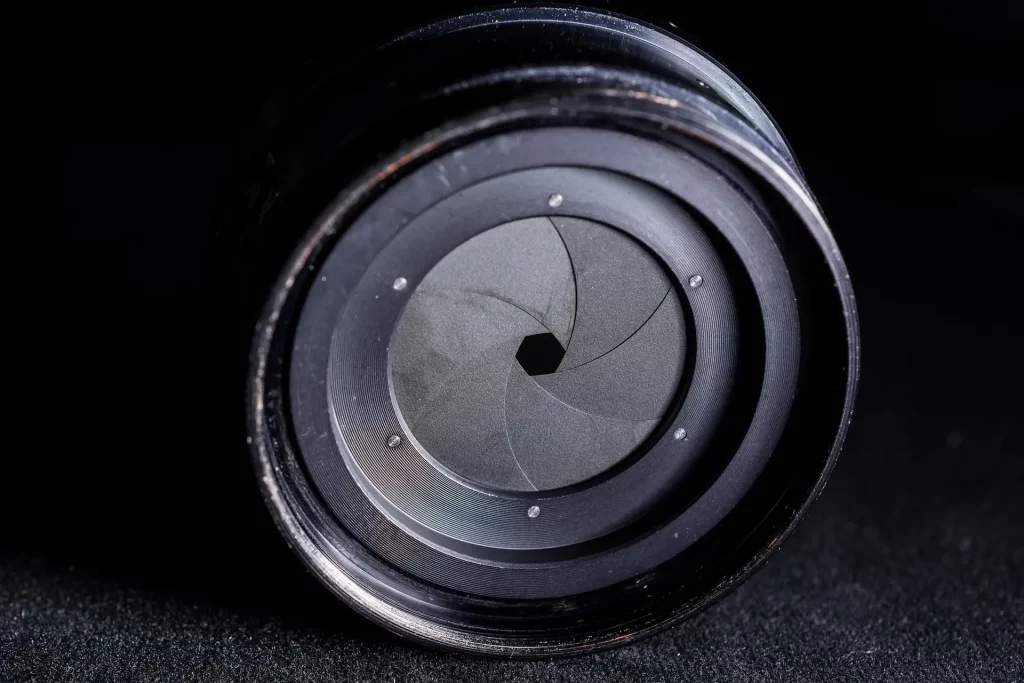
Prime lenses, on the other hand, often open to f/1.4 or even wider. This brings many benefits: it allows shooting in lower light, makes separating the subject from the background easier, and give you beautiful blurry backgrounds.
Okay, So Why Would You Buy a Zoom Lens?
All this makes primes sound pretty amazing, doesn’t it? Well, like anything else, there are some pretty major trade-offs. Or, in the case of zooms, one major trade off.
While a prime may be cheaper and lighter, you’re still limited to a single focal distance. That’s fine in a lot of situations, but when you want to be able to shoot things close by one minute, and at a distance the next, it’s hard to beat a zoom.
When you go out to shoot, you want to be careful with how much stuff you’re bringing with you. If you’re photographing a variety of subjects, you might need three or more different focal lengths. That’s a lot of primes to carry around when you consider you could hit those same distances with a single zoom, plus everything in between.
If you want to be be prepared for anything, it’s hard to beat a zoom.
So What Lens Should You Buy?
Like with most things, what lens you should buy is going to be dictated by your actual need. Remember, you’re not buying stuff just to accumulate more things.
When you buy your camera, a kit lens is often a great starting point. These will generally cover the common focal ranges you’ll want most. There are trade-offs. The quality isn’t outstanding, and you’ll have a variable aperture. But these are great limitations to help you figure out what you’re really interested in.
When you’re ready for your first lens, you can’t go wrong with a 50mm prime. Not only is this lens considered the closest to your standard field of view, you can get a great lens for a very reasonable price. I use a Sony, and I absolutely love this little guy. You can find similar offerings for your camera type at the same price point.
If you have your heart set on a zoom, the most versatile is going to be a 24-70mm zoom, preferably with a 2.8 maximum aperture. I really dig this Tamron (with a slightly different focal range), and it’s quite a bit cheaper than Sony’s offering. Also, Tamron offers this same lens in multiple mounting formats.